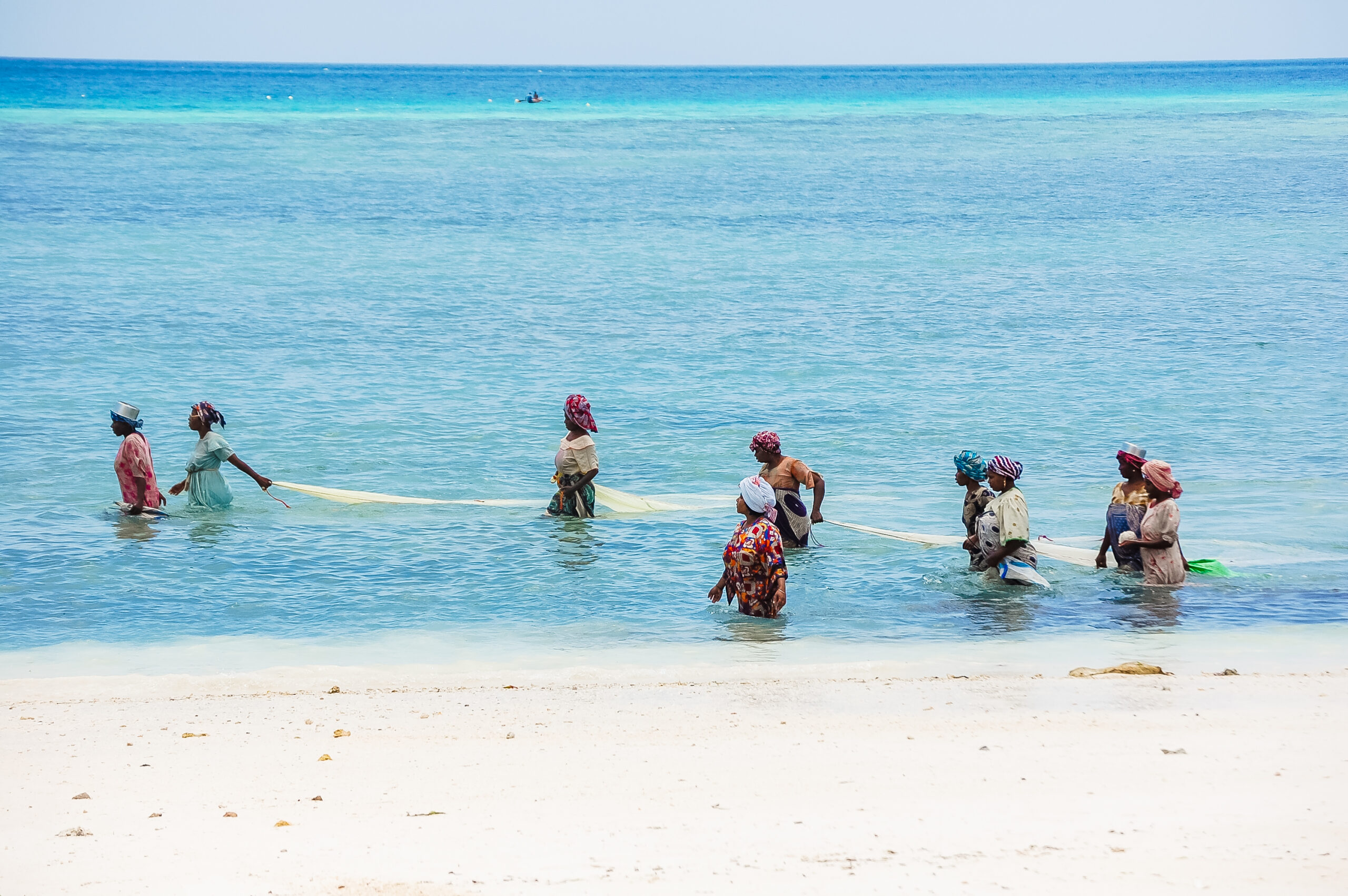
Climate change is making fishing less predictable in Cape Town and surrounding areas. Seasons are shifting, storms are more frequent, and fish stocks are declining. This reduces fishing days and affects how much fish is available. These changes impact everyone in the fisheries sector, but not in the same way. In Hout Bay and Kalk Bay, men mainly control fishing activities, boats, and licences. Women are more involved in cleaning, processing, and selling fish. When catches are low or fish is sold to international markets, there is less available locally. This directly reduces women’s income and makes it harder to support their households. This case study looks at how climate change, together with market systems and existing gender roles, shapes the experiences of women in small-scale fisheries. Insights were gleaned from fieldwork carried out in July 2025 show that women are finding ways to adapt, such as sourcing fish from different suppliers and using platforms like WhatsApp or Facebook to reach customers. However, their options remain limited. Many cannot access licences, afford equipment, or take part in decision-making processes that affect the sector. In addition, another major issue is that women’s work is often not formally recorded. There is little data on their income, roles, or access to resources. This makes it difficult for policies and support programmes to respond to their needs. This study documents these gaps and shows that improving resilience in small-scale fisheries requires a combination of environmental solutions, recognition of fisherwomen’s roles, improving access to resources and policies that include fisherwomen.