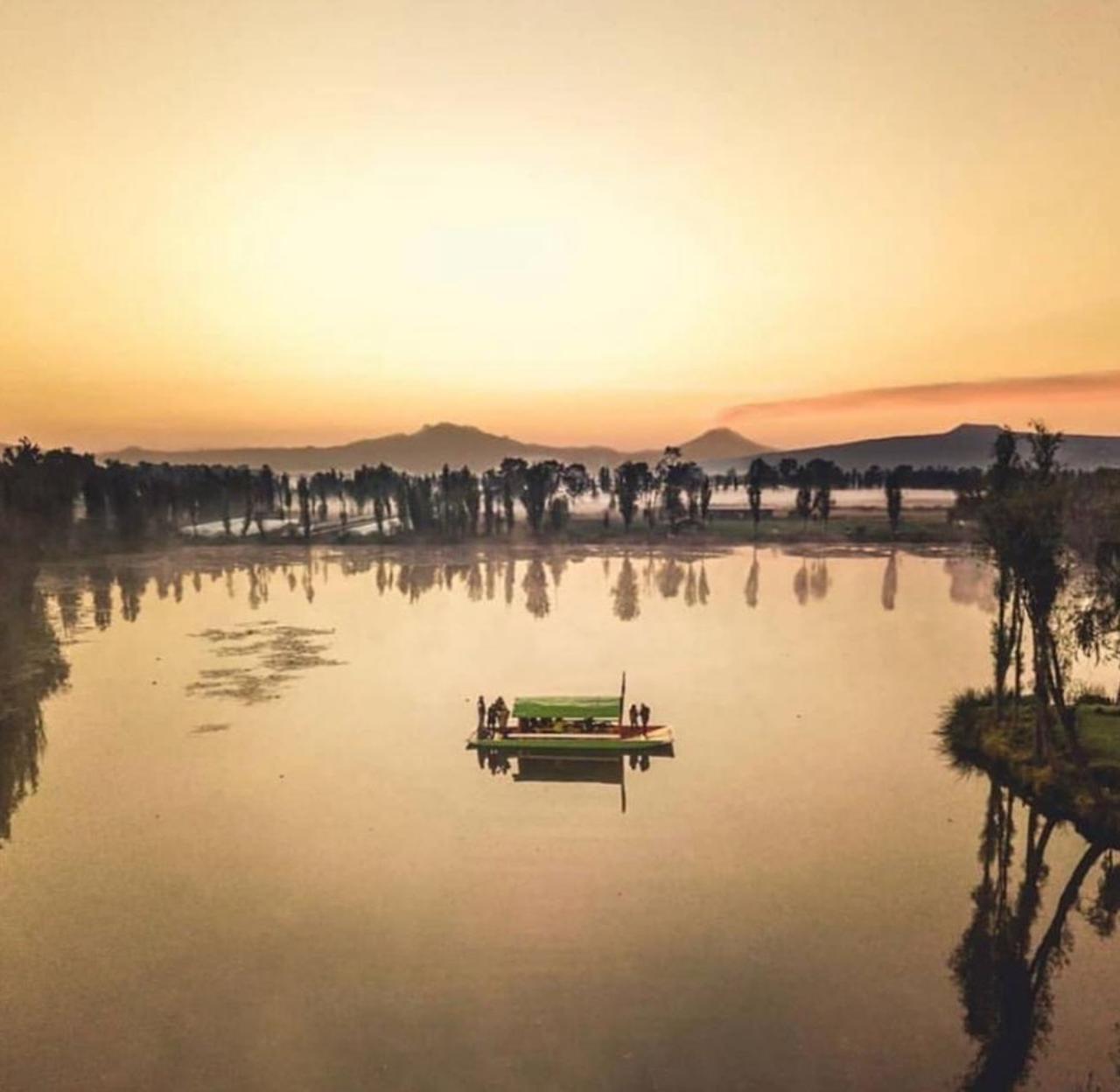
Xochimilco, a World Heritage City located in the southern part of Mexico City, is one of the world’s most iconic cultural landscapes. Inscribed on the UNESCO World Heritage List on December 11th, 1987, it is known for its extensive network of canals and ancient agricultural system of chinampas (floating gardens), representing a unique interaction between human ingenuity and nature that has endured for centuries. Historically, the area was central to the Aztec economy, providing fertile land for crops and vital waterways for transportation. Today, it remains a space of cultural expression, hosting traditional festivals, music, and community practices that preserve its heritage.
However, this legacy faces growing threats from urban sprawl, water contamination, and unregulated tourism. More critically, these pressures are compounded by the fact that the ancestral knowledge that sustains the chinampa system is no longer being transmitted across generations. As traditional knowledge becomes concentrated within an aging and increasingly marginalized community of chinamperos, younger generations are becoming disconnected from the practices that have maintained this landscape for centuries. The loss of this knowledge is not only cultural; it is ecological. Beyond its symbolic value, Xochimilco is also a hub of scientific importance: the axolotl (Ambystoma mexicanum), endemic to these waters, is both a national icon and a cornerstone of biomedical research. Renowned for its extraordinary ability to regenerate limbs, spinal cord, and cardiac tissue, the axolotl has become an important experimental model in molecular biology and regenerative medicine worldwide.
By documenting Xochimilco’s value and identifying sustainable practices, this study highlights how biodiversity, ancestral knowledge, and modern science can converge. Ultimately, Xochimilco cannot be preserved by protecting the landscape alone. Its survival depends on listening to the people who keep its waters and agricultural practices alive and ensuring that their knowledge continues to be transmitted.