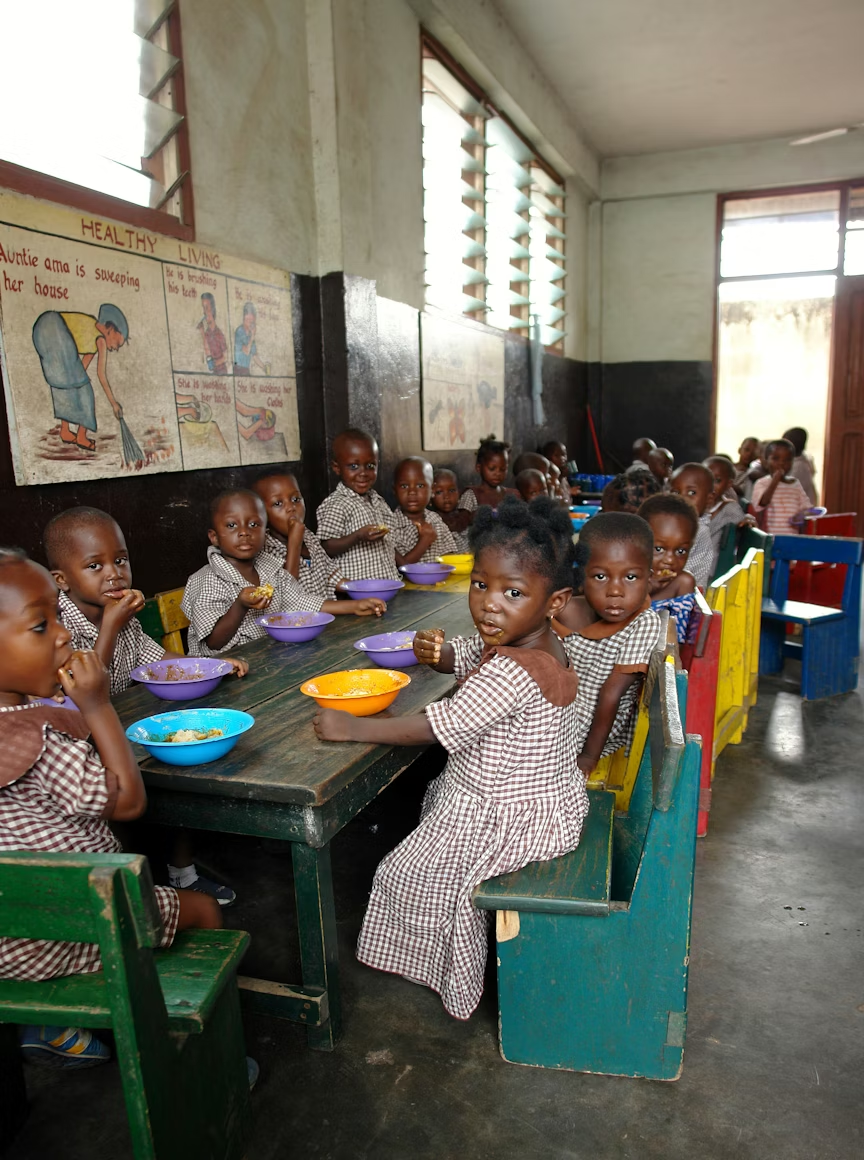
Ghana’s vision of a prosperous, youthful nation by 2050 is threatened by the silent crisis of child food poverty. Child food poverty , as UNICEF defines it, refers to children’s inability to access and consume a sufficiently diverse and nutritious diet measured by the consumption of fewer than five of the eight recommended food groups by children under five. In Ghana an estimated 2.4 million children live under child food poverty conditions, placing them at risk of impaired cognitive development, poor health, and reduced lifetime productivity. Child food poverty stems from a complex web of interconnected factors that affect food availability and affordability, like climate shocks and food inflation and subtler issues such as cultural feeding practices and poor food choices. While policies and interventions such as the Ghana National Nutrition Policy and the Ghana School Feeding Programme seek to improve child nutrition, persistent implementation challenges continue to limit their effectiveness. This qualitative study therefore examines the systemic drivers of child food poverty across socioeconomic boundaries and assesses the effectiveness of existing interventions through interviews with parents, caregivers, and school administrators in the Greater Accra and Upper West regions.