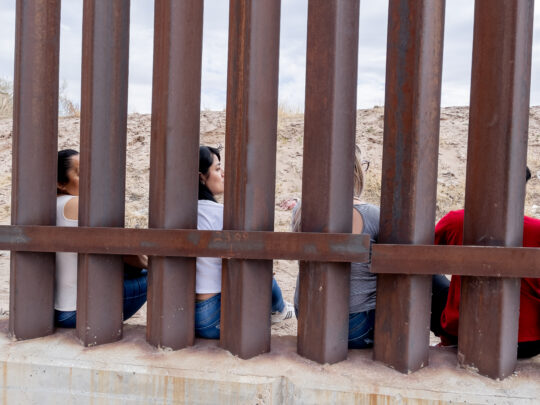
Return migration has become part of daily life in Jalisco and Puebla, where thousands of adolescents arrive each year after living abroad, most of them following a parent’s deportation, a family reunification, or other return processes shaped by migration policy rather than by personal choice. Teenagers between 14 and 19 years old run into enrolment procedures they don’t recognize, documentation requirements built for a system they never grew up in, and school staff with little guidance on how to support them. This report looked at why these barriers persist, drawing on the experiences of students, families, educators, and public officials in both states, along with the institutional frameworks meant to serve them. The research found that the gaps are concentrated in the coordination between the institutions responsible for identifying, tracking, and supporting returnee students, which leaves this population largely invisible in educational planning. Based on these findings, the study proposes stronger inter-institutional collaboration, better training for school staff, and information systems that can finally make return migrant adolescents visible, so that their reintegration depends less on individual goodwill and more on public policy that recognizes their bilingual and bicultural potential.