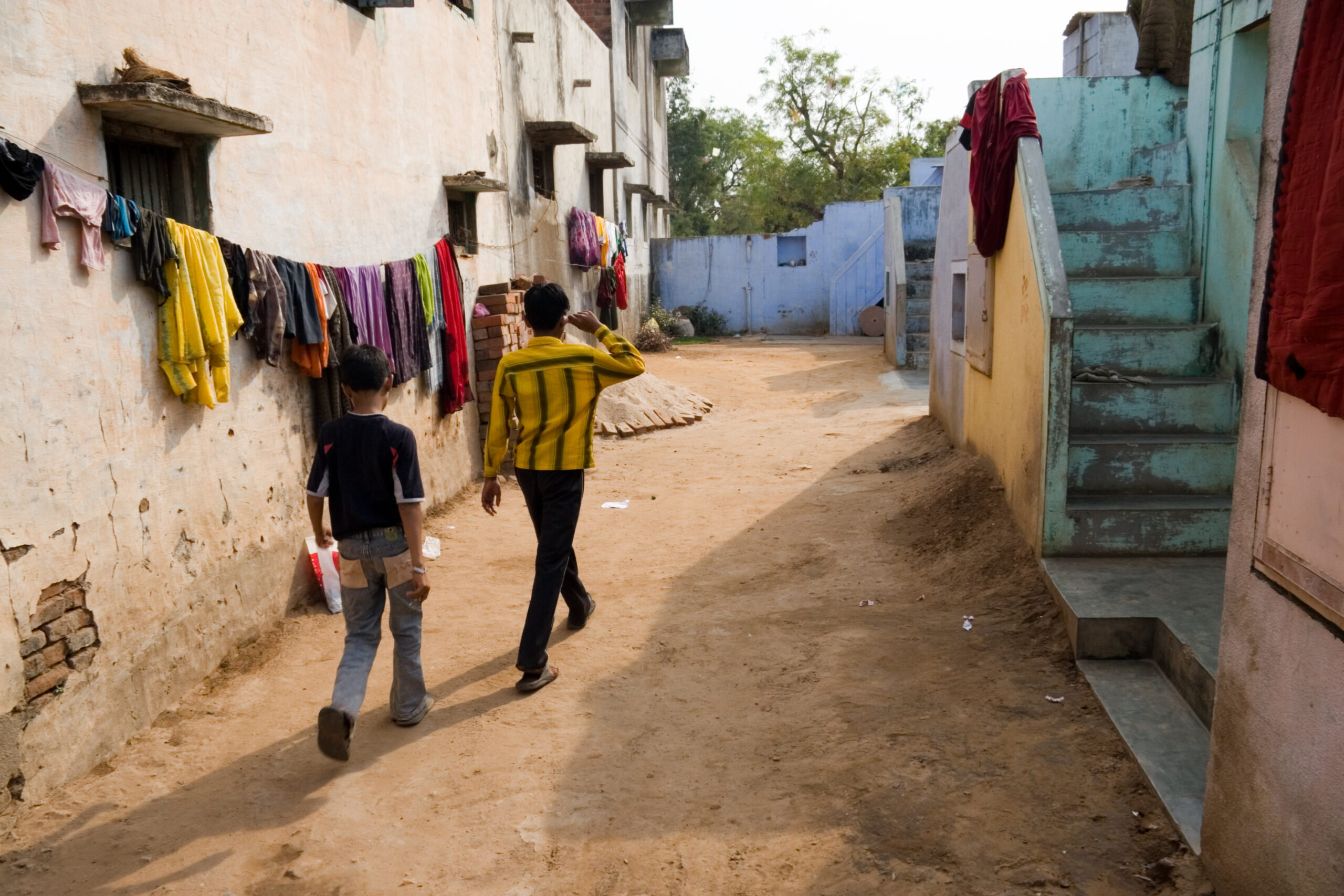
Children in need of care and protection and children allegedly in conflict with the law, as defined in the Juvenile Justice (Care and Protection) Act of 2015, represent one of India’s most overlooked populations in mental health policy. These children residing in Child Care Institutions (CCIs) face compounding psychological stressors, including trauma, family separation, and social stigma. However, structured and evidence-based mental health support within these institutions is almost entirely absent at a systemic level.
Literature on at-risk youth globally suggests rates of depression, anxiety, and post-traumatic stress disorder are significantly higher than in the general adolescent population. Vulnerable youth remain largely excluded and underreported from national mental health programs, which predominantly target community and primary care settings. This underreporting may be compounded by a lack of knowledge about mental health problems, where to seek help, or systemic barriers preventing help-seeking behaviours
The Juveniles Accessing Mental Health Services (JAMS) program, established by the Schizophrenia Research Foundation (SCARF), is an important initiative working directly within CCIs to strengthen partnerships with psychiatrists, create youth friendly spaces and improve mental health literacy among both staff and children. This case study analyses the three-pronged approach of the JAMS program which aims to uplift youth mental health in CCIs. Specifically, the research will seek to uncover which elements of the program contribute to its success and where there are opportunities to enhance delivery.