According to the World Health Organization, vector borne diseases (VBDs) cause more than 700,000 deaths worldwide every year, making efforts to mitigate their transmission a critical global public health concern. In India, this remains a persistent health priority, as low-income communities face the ill-effects of climate variability, including rising temperatures and changing rainfall patterns. Combined with gaps in water management, drainage, and waste systems, these effects contribute to conditions that enable vector breeding and increased transmission risk.
While large metros receive more analytical attention, smaller urban centres face similar systemic vulnerabilities but with fewer institutional resources. Smaller communities—such as Patan, Gujarat—can serve as valuable case studies to examine how local environmental conditions and community practices shape VBD risks and aid in determining where targeted interventions may be needed most.
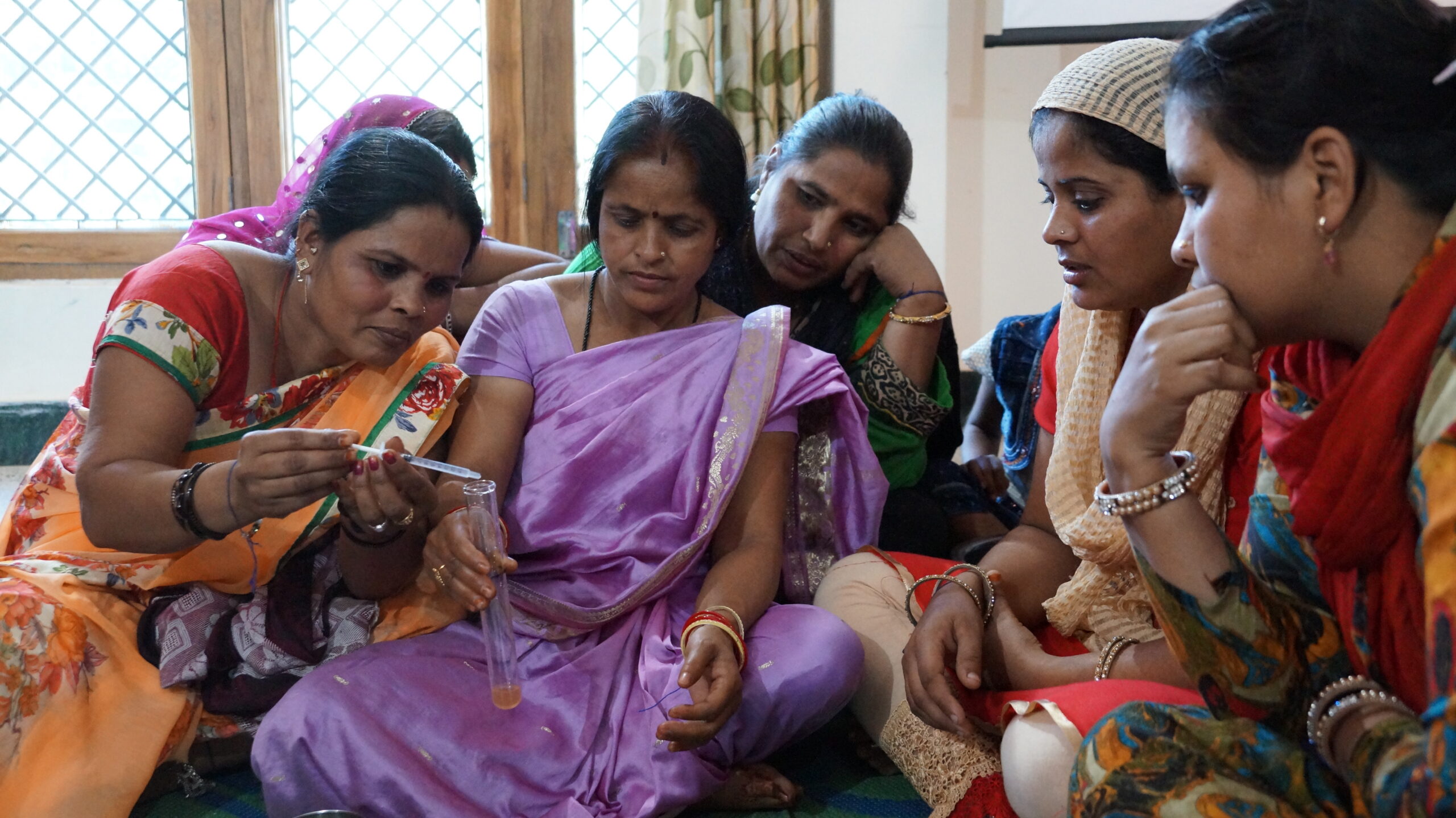
While government and community initiatives aimed at mitigating VBD transmission do exist, this project will examine the relationship and gaps that exist between community-based action and government public health approaches. To do this, the team is collaborating with the Mahila Housing Trust (MHT), an organization that has mobilized women’s leadership in low-income communities across India since 1994, working with underserved communities to promote climate resilience and strengthen participatory governance. Working with MHT, this research seeks to ultimately provide a framework for strengthening the delivery of VBD prevention and management along with sanitation and climate-change related action in low-income and vulnerable communities in India.