Health misinformation has increasingly been recognized as a significant global public health concern. The COVID-19 pandemic highlighted how the spread of false or misleading health information can influence individual and community health behaviours, reduce trust in health systems, and negatively affect health outcomes.
In South Africa, misinformation continues to pose a significant challenge due to the country’s ongoing health burdens and existing social and healthcare inequalities. False or misleading health information has been associated with vaccine hesitancy, delayed treatment-seeking behaviour, and poor chronic disease management. These challenges are often intensified in underserved communities where access to reliable healthcare information and services is limited. Social media platforms increasingly shape how communities access and share health information, especially in low- and middle-income settings where digital communication is widely used. WhatsApp, with 30 million South African users 9, is used in everyday communication for its affordability and accessibility.
In underserved communities, informal communication networks, particularly WhatsApp, play an important role in shaping how health information is shared, interpreted, and trusted. These communities are especially vulnerable to misinformation due to intersecting socioeconomic challenges, and greater reliance on peer- and community-based communication. Examining misinformation dynamics in underserved communities may provide important insights into how misinformation differs between vulnerable and more socioeconomically advantaged communities.
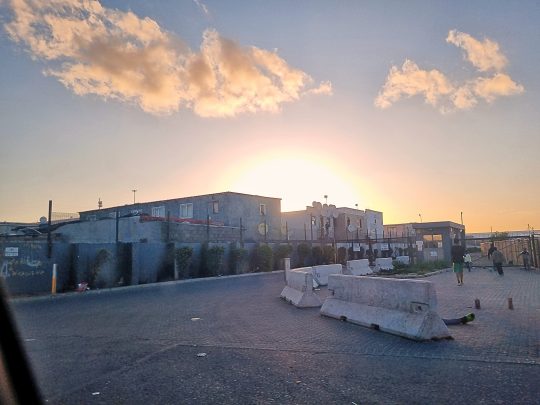
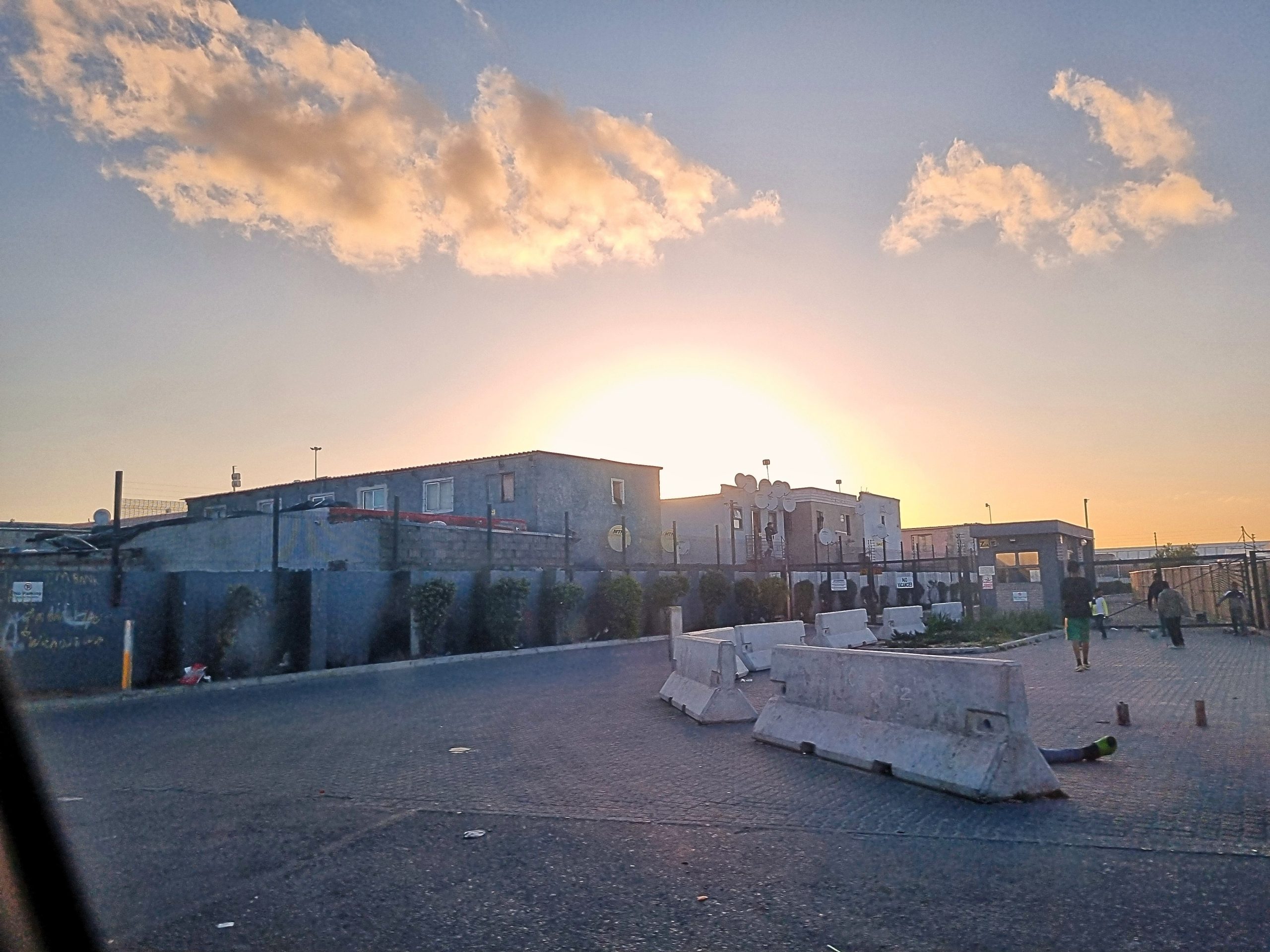
Several initiatives have attempted to reduce misinformation through social media and community outreach in South Africa and other LMICs. Despite growing concern about digital health misinformation, limited research has examined how health misinformation spreads through WhatsApp networks within underserved South African communities. This study therefore, aims to explore how WhatsApp influences the sharing, interpretation, and trust in health information within the underserved community of Philippi.