
Mexico
From Kitchen to Community: Exploring the Impact of the Mujeres del Fuego Collective on Culinary Traditions, Identity, and Sustainability in rural Mexico
- Status
- Active Research
- Research Year
- 2025-26
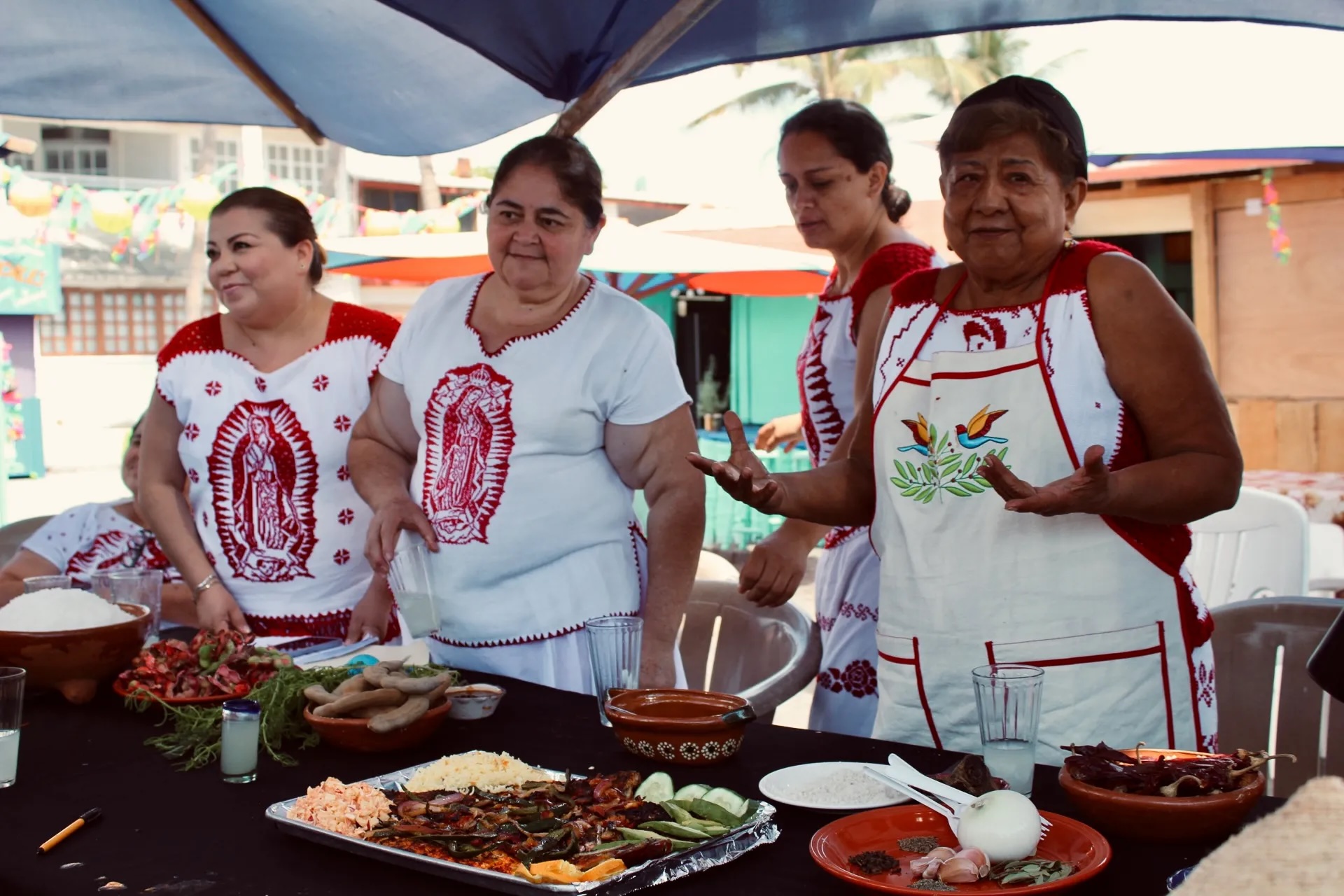
Across Mexico, industrialized agri-food systems are transforming how food is grown, prepared, and eaten. Oriented toward profit and efficiency, these systems favour monocultures and export-driven production, displacing native crops and biodiversity, while consumption habits centre on convenience and ultra-processed foods. Women have historically played a central role in safeguarding and transmitting traditional culinary knowledge, though their work in the kitchen has long been unpaid and undervalued as routine domestic labor. This case study examines the efforts of Mujeres del Fuego, a collective of traditional cooks founded in 2016 that brings together women from across the state of Colima. Its members sustain independent projects while joining forces to create a space for mutual learning and greater visibility, focusing on the diffusion of Colima’s culinary and biocultural heritage. This study investigates how the collective has turned women’s traditional culinary knowledge into a source of income and a recognized practice of cultural stewardship, and sheds light on the wider role traditional cooks play in resisting the environmental and economic pressures of modern food production and consumption practices.
Researchers
Mentors
-
University of Toronto
Erica Di Ruggiero
Associate Professor of Global Health and Director of the Centre for Global Health, Dalla Lana School of Public Health, University of Toronto
-
Tecnológico de Monterrey
Iza Maria Sánchez Siller
Professor at School of Humanities and Education, Tecnológico de Monterrey
-
Gregorio Leal
Interdisciplinary Center for Education and Social Outreach (CIFOVIS)